






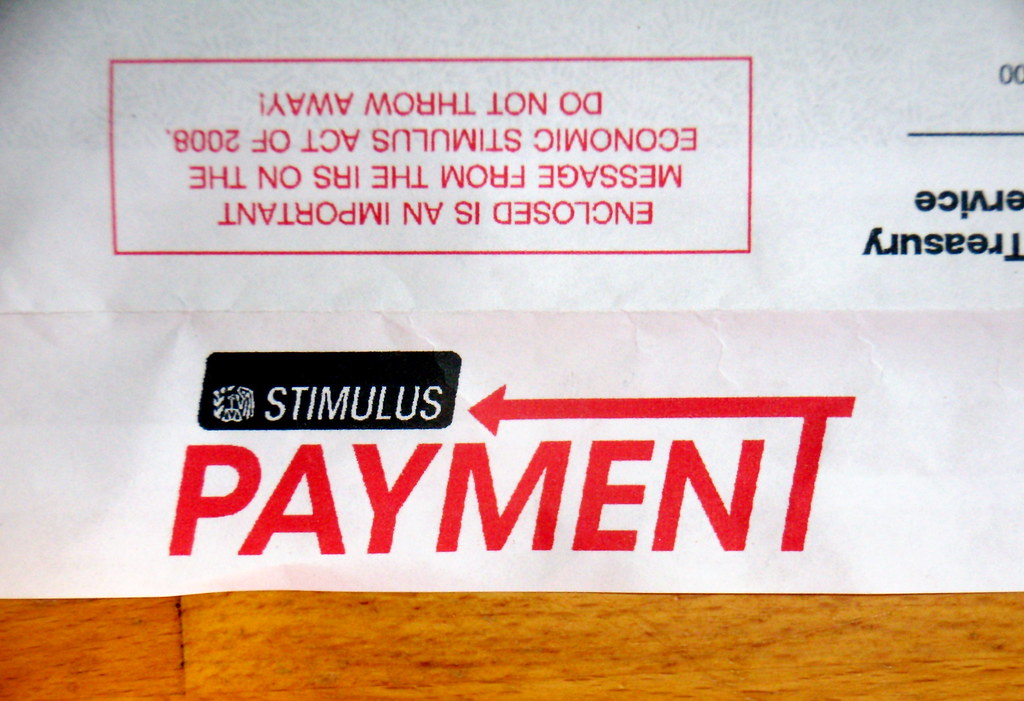
Understanding IRS Stimulus Checks: Past Distributions and Current Opportunities
In response to economic challenges, the United States government has issued several rounds of stimulus checks, officially known as Economic Impact Payments (EIPs), to provide financial relief to eligible Americans. These payments, administered by the Internal Revenue Service (IRS), have played a crucial role in supporting individuals and families during times of economic uncertainty.

Overview of Past Stimulus Payments
Since the onset of the COVID-19 pandemic, three primary rounds of stimulus checks have been distributed:
- First Round (March 2020): As part of the Coronavirus Aid, Relief, and Economic Security (CARES) Act, eligible individuals received up to $1,200, with an additional $500 per qualifying dependent.
- Second Round (December 2020): Under the Coronavirus Response and Relief Supplemental Appropriations Act, payments of up to $600 were issued, plus $600 per qualifying dependent.
- Third Round (March 2021): The American Rescue Plan Act authorized payments of up to $1,400 for eligible individuals and dependents.
The IRS has completed the distribution of these payments. Individuals who did not receive their payments or received less than the eligible amount were advised to claim the Recovery Rebate Credit on their tax returns.
Current Opportunities: Claiming Unreceived Payments
As of March 2025, there are still opportunities for individuals who missed out on previous stimulus payments:
- Recovery Rebate Credit: Taxpayers who did not receive the full amount of the third stimulus payment can claim the Recovery Rebate Credit on their 2021 tax return. The deadline to file this return and claim the credit is April 15, 2025.
- Automatic Payments: The IRS has been issuing automatic payments to individuals who did not claim the Recovery Rebate Credit but are eligible based on their 2021 tax returns. These payments are up to $1,400 and are being distributed without the need for taxpayers to file an amended return.
Proposed Future Stimulus Initiatives
Several proposals for additional stimulus payments have emerged:
- $1,338 Stimulus Checks: A proposed one-time payment of $1,338 is expected to be issued in March 2025. This initiative aims to provide financial support to those facing economic difficulties due to inflation and the lingering effects of the COVID-19 pandemic.
- DOGE Stimulus Checks: A proposal led by Elon Musk, known as the Department of Government Efficiency (DOGE) initiative, suggests redistributing 20% of government savings to citizens. If approved, this could result in payments of up to $5,000 per individual. However, this proposal requires congressional approval and has sparked debates regarding its potential impact on inflation and national debt.
Eligibility Criteria for Stimulus Payments
Eligibility for stimulus payments has generally been based on adjusted gross income (AGI):
- Full Payment: Individuals with an AGI up to $75,000, heads of household up to $112,500, and married couples filing jointly up to $150,000.
- Partial Payment: Payments phase out for individuals with AGIs above these thresholds, with upper limits varying by the specific round of payments.
It’s important to note that eligibility criteria may vary for future stimulus initiatives, and individuals should consult official IRS guidelines for the most accurate information.
How to Check Payment Status
While the IRS has completed the distribution of past stimulus payments, individuals can still verify their payment status:
- Online Account: Securely access your individual IRS account online to view the total of your Economic Impact Payments under the “Economic Impact Payment Information” section on the Tax Records page.
- IRS Notices: Review any notices sent by the IRS, which detail the amounts and dates of issued payments.
Filing Tax Returns to Claim Missing Payments
To claim missing stimulus payments:
- Determine Eligibility: Review the eligibility criteria for the specific stimulus payment.
- File a Tax Return: If you didn’t receive the payment or received less than the eligible amount, file the appropriate year’s tax return and claim the Recovery Rebate Credit.
- Meet Deadlines: For the third stimulus payment, the deadline to file the 2021 tax return and claim the credit is April 15, 2025.
Conclusion
Stimulus checks have provided essential financial relief to millions of Americans during challenging economic times. While past payments have been distributed, opportunities still exist to claim unreceived funds. Staying informed about eligibility criteria, deadlines, and potential future initiatives is crucial for maximizing available benefits. For the most accurate and up-to-date information, individuals should consult the official IRS website or seek advice from qualified tax professionals.