






Few fixtures in Spanish football capture the essence of La Liga’s competitive spirit and historical significance quite like Real Madrid versus Valencia CF. This matchup represents more than just a game—it’s a collision between two of Spain’s most storied clubs, each with distinctive identities, passionate fanbases, and contrasting approaches to the beautiful game.
The Historical Context
Real Madrid, founded in 1902, stands as football royalty—not just in Spain but globally. With a record number of Champions League/European Cup titles and domestic championships, Los Blancos have defined success in football for generations. Their Estadio Santiago Bernabéu has witnessed countless historic moments that have shaped the sport’s very narrative.
Valencia CF, founded in 1919, represents Spain’s third-largest city and has forged its own impressive legacy. With six La Liga titles, eight Copa del Rey triumphs, and European success including a UEFA Cup, Cup Winners’ Cup, and back-to-back Champions League final appearances in 2000 and 2001, Los Che have established themselves as one of Spain’s traditional powerhouses.
Matches between these sides date back to the 1920s, developing into a fixture that consistently delivers drama, tactical intrigue, and memorable moments. While not a derby in the traditional sense, the rivalry carries significant weight in Spain’s football calendar.
Cultural Contrasts
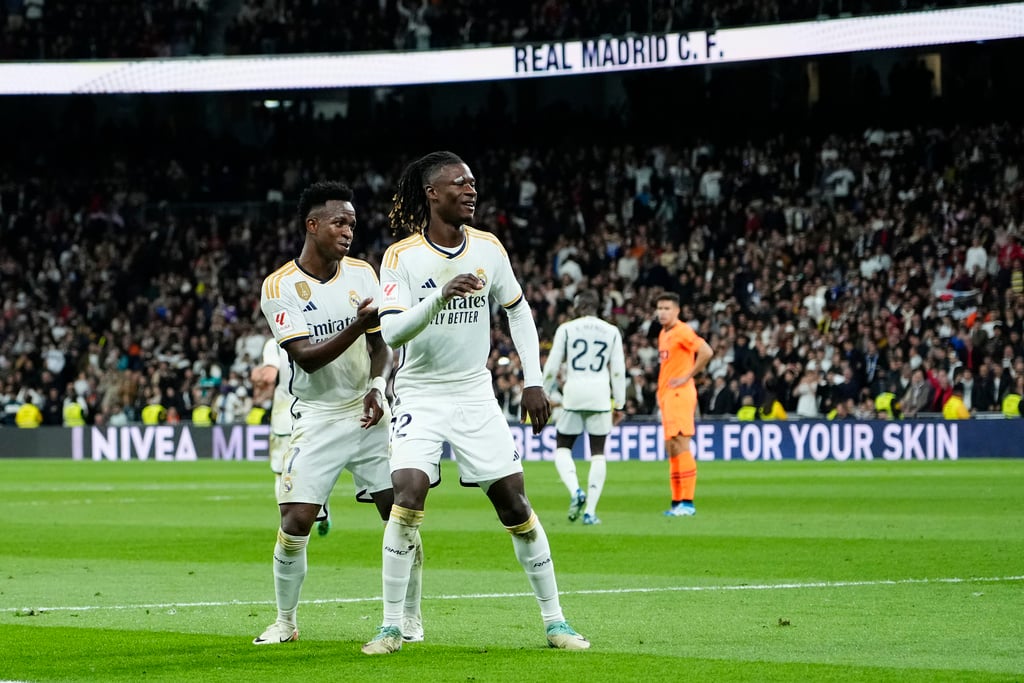
The fixture represents a fascinating cultural juxtaposition. Madrid, Spain’s capital and political center, contrasts with Valencia’s Mediterranean identity and distinct regional character. This cultural difference manifests in the clubs’ approaches to football and institutional philosophies.
Real Madrid embodies the galáctico mentality—pursuing and developing the world’s elite talents and expecting nothing less than victory on all fronts. The white shirt carries an expectation of excellence and a pressure that few other sporting institutions can match.
Valencia, meanwhile, has built its identity on resilience, smart recruitment, and maximizing resources. The club’s iconic bat crest symbolizes how they’ve often punched above their financial weight, developing talents like David Silva, Juan Mata, and David Villa who would go on to define an era of Spanish football.
Tactical Battles
Encounters between these sides have evolved tactically over the decades, reflecting broader trends in football strategy while maintaining certain consistent characteristics.
Real Madrid typically approaches these fixtures with their trademark offensive mindset. Whether through the counterattacking brilliance of the Cristiano Ronaldo era or the possession-oriented approach of more recent seasons, Madrid’s attacking firepower has often proven decisive.
Valencia has historically countered with disciplined defensive organization and rapid transitions—a formula that has yielded notable successes against their more illustrious opponents. Their ability to absorb pressure and strike decisively has frustrated Madrid on numerous occasions, particularly at Mestalla where the intense atmosphere provides a significant home advantage.
Memorable Encounters
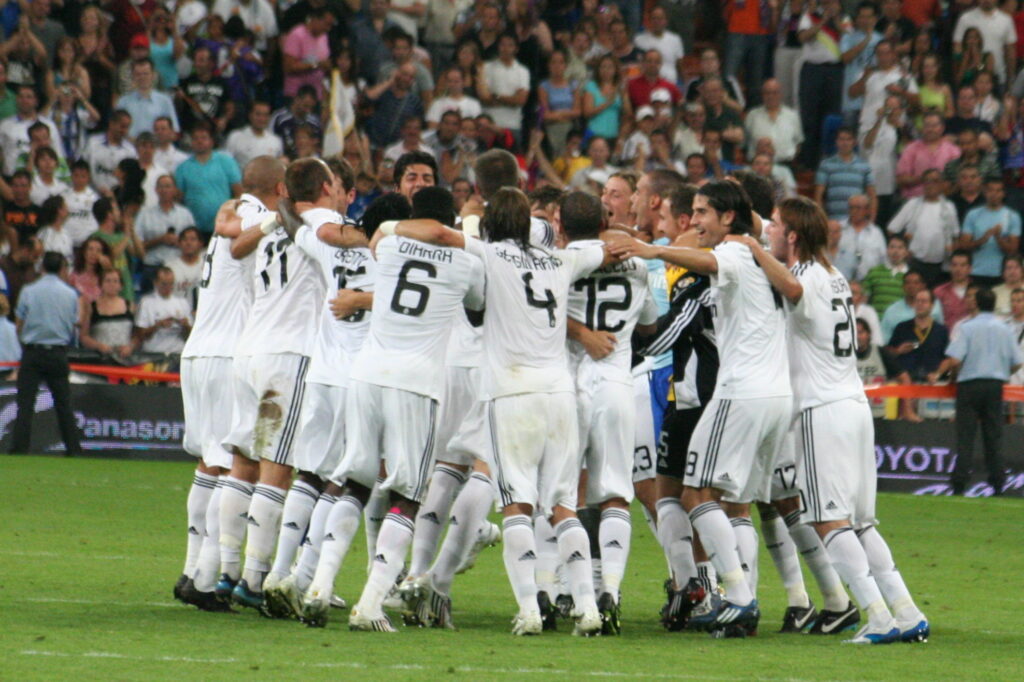
The fixture has produced countless classic encounters that have become embedded in Spanish football folklore.
The 1999-2000 season saw Valencia, under Héctor Cúper’s guidance, secure a famous 2-1 victory at the Bernabéu with goals from Claudio López and Gerard. This triumph came en route to Valencia’s first Champions League final appearance and demonstrated their emergence as genuine title contenders.
In 2003-2004, Rafael Benítez’s Valencia completed a remarkable season by securing both La Liga and UEFA Cup glory, with their performances against Madrid proving pivotal in their domestic success. Their tactical discipline in those encounters exemplified Valencia’s ability to compete with Spain’s traditional duopoly through strategic brilliance.
More recently, the fixture has continued to deliver excitement. A 2017 encounter saw Real Madrid recover from 1-0 down to win 2-1 with late goals, demonstrating their characteristic resilience and championship mentality.
The Mestalla Factor
Valencia’s Mestalla Stadium deserves special mention when discussing this fixture. One of Spain’s oldest and most atmospheric venues, its steep stands and passionate crowd create an intimidating environment that has often neutralized Madrid’s star power.
The stadium’s acoustics amplify the fervor of Valencia’s supporters, creating a cauldron of noise that has frequently inspired underdog performances. For Real Madrid players, navigating the hostile Mestalla atmosphere represents one of La Liga’s most challenging away tests.
Economic Realities
The fixture also reflects the economic disparities that have increasingly defined Spanish football. Real Madrid’s global brand and revenue-generating capacity dwarf Valencia’s resources, creating a financial mismatch that has grown more pronounced in recent decades.
Valencia’s struggles with ownership changes, financial difficulties, and the unfinished Nou Mestalla project contrast sharply with Madrid’s stability and seemingly limitless ambition in the transfer market. These economic realities have made Valencia’s occasional triumphs against Los Blancos even more significant, representing victories against the prevailing financial tide of modern football.
Key Figures and Protagonists
Numerous iconic figures have defined this fixture over the decades. From Madrid legends like Alfredo Di Stéfano, Ferenc Puskás, and Raúl to modern stars like Karim Benzema and Luka Modrić, the white shirt has been filled by some of football’s greatest talents.
Valencia’s history features its own pantheon of heroes who rose to the occasion against Madrid—players like Mario Kempes, Gaizka Mendieta, and David Villa delivered memorable performances that secured their places in club folklore. More recently, figures like Dani Parejo and Carlos Soler have carried Valencia’s competitive spirit into the modern era.
From the technical area, managers like Zinedine Zidane, Rafael Benítez, and Unai Emery have brought tactical innovations that have shaped the fixture’s evolving narrative.
Looking Forward
As Spanish football continues evolving in response to global football trends, the Real Madrid-Valencia fixture remains an essential barometer for both clubs’ ambitions. For Madrid, these matches represent potential stumbling blocks on their perpetual quest for domestic and European supremacy. For Valencia, encounters with Los Blancos offer opportunities to reassert their status among Spain’s elite and demonstrate that smart recruitment and tactical discipline can still overcome financial disparities.
While Valencia has experienced periods of instability in recent years, the inherent competitiveness of this fixture ensures it remains captivating regardless of the clubs’ respective positions in the table. The passionate fanbases, contrasting footballing philosophies, and rich shared history guarantee that Real Madrid versus Valencia CF will continue to produce compelling narratives for generations to come.
Conclusion
The Real Madrid-Valencia fixture embodies what makes La Liga special—its blend of tactical sophistication, technical brilliance, cultural significance, and unpredictability. When these teams meet, they carry the weight of their distinctive histories and identities onto the pitch, creating a spectacle that transcends the ninety minutes of play.
As Spanish football navigates the challenges of the modern game, fixtures like this serve as reminders of the sport’s profound cultural importance and competitive spirit. No matter the era or circumstances, when Los Blancos face Los Che, Spanish football showcases its enduring appeal as a sport where history, passion, and sporting excellence combine to create unforgettable drama.