


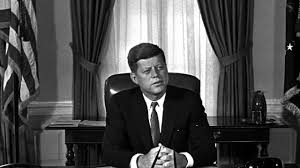
In a historic move, the Trump administration has declassified and released approximately 80,000 pages of previously classified documents related to the assassination of President John F. Kennedy. The release marks a major step toward full transparency concerning one of the most scrutinized and controversial events in American history. While many records had already been made public over the years, this latest batch provides additional context and details that historians and researchers have long sought.

What’s in the Newly Released Files?
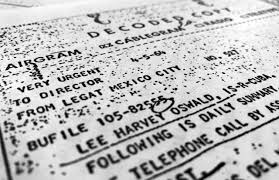
The documents, now available through the National Archives and Records Administration (NARA), contain significant information about Lee Harvey Oswald, the accused assassin, and his interactions with foreign entities prior to Kennedy’s death on November 22, 1963. Some of the key highlights include:
- Oswald’s Soviet and Cuban Connections: The documents provide further insights into Oswald’s attempts to obtain a visa from the Soviet Embassy in Mexico City and his potential connections to Cuban intelligence agencies. While there has been speculation about Oswald’s links to foreign governments, the files reinforce the long-standing conclusion that he acted alone and was not under KGB control.
- CIA and FBI Surveillance Records: The files contain intelligence reports detailing surveillance activities conducted on Oswald before the assassination. While some suggest that intelligence agencies were monitoring Oswald more closely than previously acknowledged, there is no conclusive evidence indicating that the CIA or FBI had foreknowledge of his intent to kill Kennedy.
- Additional Warren Commission Testimonies: Previously withheld testimonies from officials and witnesses who contributed to the Warren Commission’s investigation have now been disclosed, shedding light on internal deliberations and assessments of Oswald’s actions.
- Newly Declassified Internal Memos: Some documents include internal government memos discussing potential threats to Kennedy before his assassination, as well as speculation about Oswald’s motives.
Why Now?
The release follows Executive Order 14176, signed by former President Donald Trump on January 23, 2025, mandating the declassification of assassination-related records concerning President Kennedy, Senator Robert F. Kennedy, and Dr. Martin Luther King Jr. The Trump administration has touted the move as part of a broader effort to promote government transparency.
For decades, classified JFK files have fueled conspiracy theories, with many Americans believing there was more to the story than the official explanation that Oswald acted alone. While previous administrations have declassified thousands of documents over the years, some records remained sealed for national security reasons. With this latest release, historians hope to piece together additional context surrounding the assassination and intelligence operations of the 1960s.
What This Means for Historians and Conspiracy Theorists
While the newly released records offer deeper insight into the intelligence community’s handling of Oswald and the geopolitical tensions of the era, they are unlikely to provide definitive proof of an alternate theory regarding Kennedy’s assassination. Many historians believe the new files will reinforce the findings of the Warren Commission, which concluded in 1964 that Oswald acted alone.
However, for conspiracy theorists who have long suspected a larger plot involving the CIA, organized crime, or foreign governments, the new documents may fuel further speculation rather than putting theories to rest. Some researchers argue that without all classified documents being released, questions will continue to persist.
Where to Access the Files
The National Archives has made the declassified documents available for public viewing online, allowing journalists, historians, and the general public to examine them firsthand. This represents one of the largest single declassifications of JFK-related materials in history.
Conclusion
The Trump administration’s decision to release these JFK assassination records is a landmark moment in the ongoing quest for transparency regarding one of the most pivotal events in American history. While it is unlikely to fully satisfy all researchers or silence conspiracy theories, it provides an opportunity for the public to further investigate and analyze one of the nation’s most enduring mysteries. Whether the files confirm or challenge previous findings, they add another layer of understanding to the tragic and complex story of President John F. Kennedy’s assassination.